

How to Heal a Broken Bone Faster: A Natural Protocol
We all know there is no magic pill to recover from a broken bone, but there are healing tools available today that go above and beyond the traditional rest-and-pain-management protocol. Thankfully, I have not had to go through the bone healing process personally — but I have helped several people accelerate their recovery after a fracture, and the results have been genuinely impressive.
Here is a little backstory. My husband manages a floatplane business in Alaska that operates seasonally, and over the years he has had one too many coworkers and pilot friends end up with a broken bone or injury that needed to heal as quickly as possible. Missing time during Alaska’s short floatplane season is not just inconvenient — it has real financial consequences for everyone involved. Given my background in functional medicine and wellness, word gets around, and people come to me asking what they can do to heal faster and safely return to work.
I want to be clear: I am not a physician or orthopedic specialist, and nothing in this article is medical advice. What I am sharing is the protocol I have personally researched and would put into place if I were in the same position — trying to support my body’s natural healing process after a fracture as effectively as possible. Always consult your healthcare provider before starting any new supplement, therapy, or protocol.
With that said, let’s get into it.
Why Conventional Care Falls Short for Faster Bone Healing
When you break a bone, the standard medical guidance is straightforward: rest, immobilize, manage the pain, and wait. For most fractures, that is entirely appropriate — and following your doctor’s instructions is always the first priority. But conventional care rarely addresses the nutritional environment your body needs to actually rebuild bone tissue, the inflammatory load working against healing, or the therapeutic tools that research suggests can meaningfully accelerate the process.
Bone healing is metabolically demanding. Your body needs specific building blocks — collagen proteins, minerals, growth factors, and antioxidants — to do the work. When those are missing or insufficient, recovery takes longer. The good news is that this is an area where regenerative medicine and evidence-informed supplementation have a lot to offer.
Here is what I recommend across four therapeutic areas. Used consistently and together, these tools create one of the most comprehensive natural environments for fracture healing — and all of them can be done from home.
1. BPC-157 / TB-500 Peptide Protocol
Peptides are one of the more exciting areas of recovery medicine right now, and the BPC-157 and TB-500 combination is particularly well-suited to musculoskeletal injury and bone healing.
BPC-157 (Body Protection Compound-157) is a peptide derived from a protein naturally found in gastric juice. It has a growing body of research supporting its role in tissue repair and regeneration — specifically, its ability to upregulate growth hormone receptors and promote angiogenesis, the formation of new blood vessels. More blood vessel formation means faster delivery of oxygen and nutrients to the fracture site, which is exactly what you want.
TB-500 (Thymosin Beta-4) is a naturally occurring peptide in the body that plays a key role in cell migration, tissue remodeling, and reducing systemic inflammation. Where BPC-157 is particularly strong at the local injury site, TB-500 works more systemically — making the two peptides highly complementary when used together.
Taken together, they address bone fracture healing through multiple pathways simultaneously — accelerating tissue repair, calming inflammation, supporting bone regeneration, and improving circulation to the injury site. Most of the formal research is currently animal-based, but the anecdotal evidence from biohacking and sports medicine communities is strong and growing, and this combination is increasingly on the radar of forward-thinking health practitioners.
These peptides are typically administered via subcutaneous injection, and sourcing quality matters enormously — purity varies widely across the peptide market, and not all suppliers are created equal. I have done the research to find a safe and reliable option that I personally use and trust: EllieMD, a telehealth platform that connects patients with licensed healthcare providers who can prescribe pharmaceutical-grade peptides through a licensed compounding pharmacy. You can explore their peptide offerings at EllieMD(note: you will need to create a patient account to view the full list of peptides). This is an affiliate link — I only recommend products and services I personally stand behind.
Important safety note: Because BPC-157 upregulates growth hormone receptors and angiogenesis pathways, there are unresolved questions about long-term safety regarding tumor growth that have not yet been studied in humans. Individuals with a personal or family history of cancer should consult their physician before considering BPC-157.
2. Red Light Therapy with LUMEBOX
Red light therapy — technically called photobiomodulation — is one of the most well-researched non-invasive recovery tools available, and it has solid evidence behind it for bone healing specifically.
Red light therapy works at the cellular level by stimulating mitochondria to produce more ATP — essentially giving your cells more energy to do their job. In the context of a fracture, that translates directly into more fuel for the cells responsible for bone repair. Studies have demonstrated that consistent red light therapy can stimulate osteoblast (bone-building cell) activity, reduce local inflammation and pain, improve circulation and nutrient delivery to the fracture site, and support repair across bone, cartilage, and surrounding connective tissue simultaneously. Near-infrared wavelengths in the 810–850nm range are particularly relevant for fractures because they penetrate deeply enough to reach bone tissue directly.
LUMEBOX is my go-to recommendation because it delivers both red and near-infrared wavelengths in one compact, portable device — making it practical to target areas like the ribs that a large stationary panel simply cannot reach comfortably. Aim for 10–20 minutes of daily sessions directly over the injury area, and know that consistency is everything — daily use produces better results than occasional sessions.
For a deeper dive into red light therapy and why I trust LUMEBOX specifically, check out my full LUMEBOX review.
3. Supplement Protocol via Fullscript
Bone repair requires far more than calcium — it demands a whole ecosystem of minerals, cofactors, collagen proteins, and anti-inflammatory support working together. This is where targeted supplements come in. Here are the six products I recommend for fracture healing. Quick note — I source all of my supplement recommendations exclusively through Fullscript because supplement quality on platforms like Amazon is genuinely inconsistent — counterfeit, expired, and improperly stored products are a real problem. Fullscript carries only professional-grade brands that have been tested for quality and ship from climate-controlled warehouses. If you want to understand more about why it’s important to choose quality-tested supplements, I cover the details in depth in my article on why I am picky about my supplements — and you should be too.
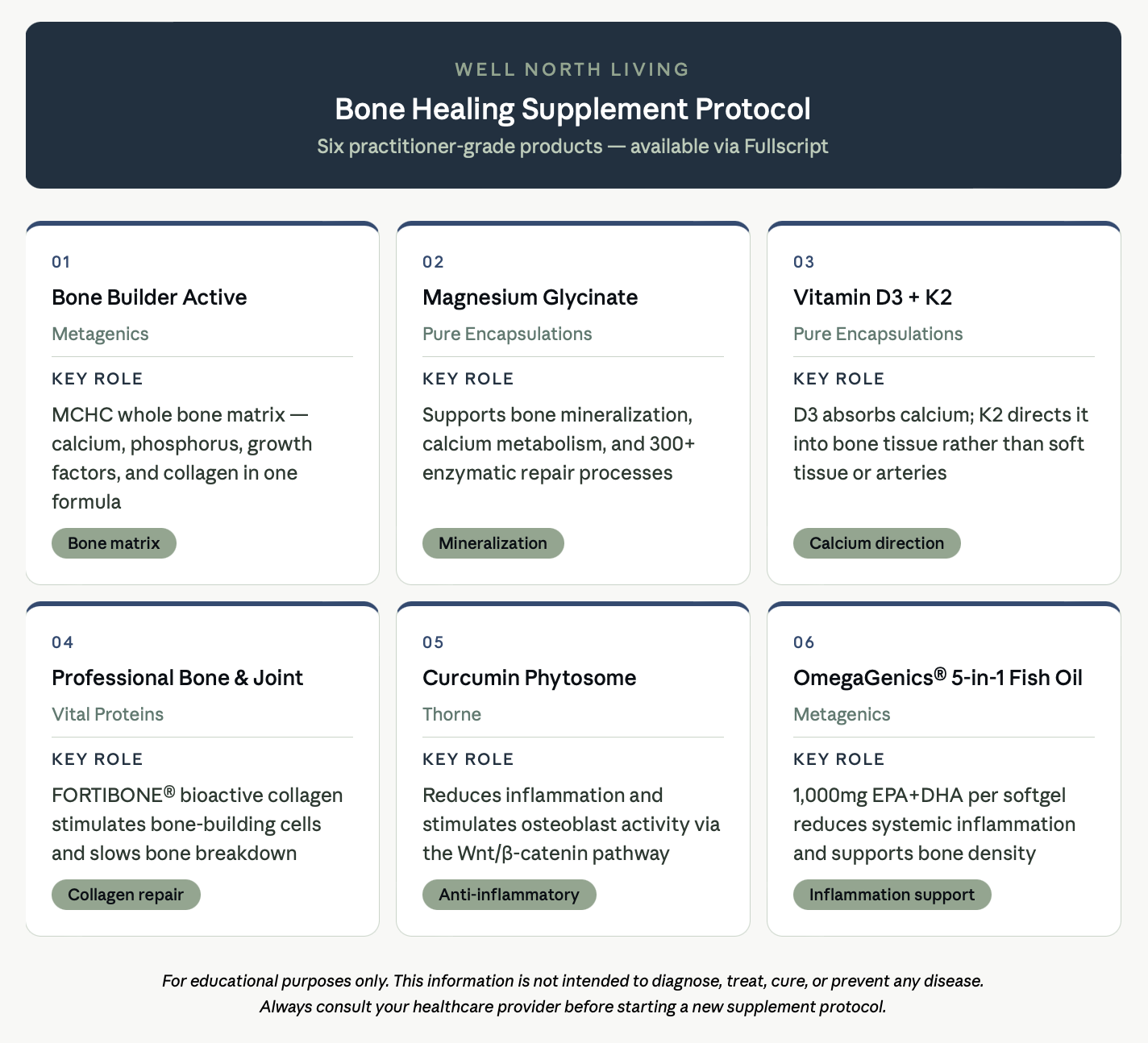
Here is the full protocol:
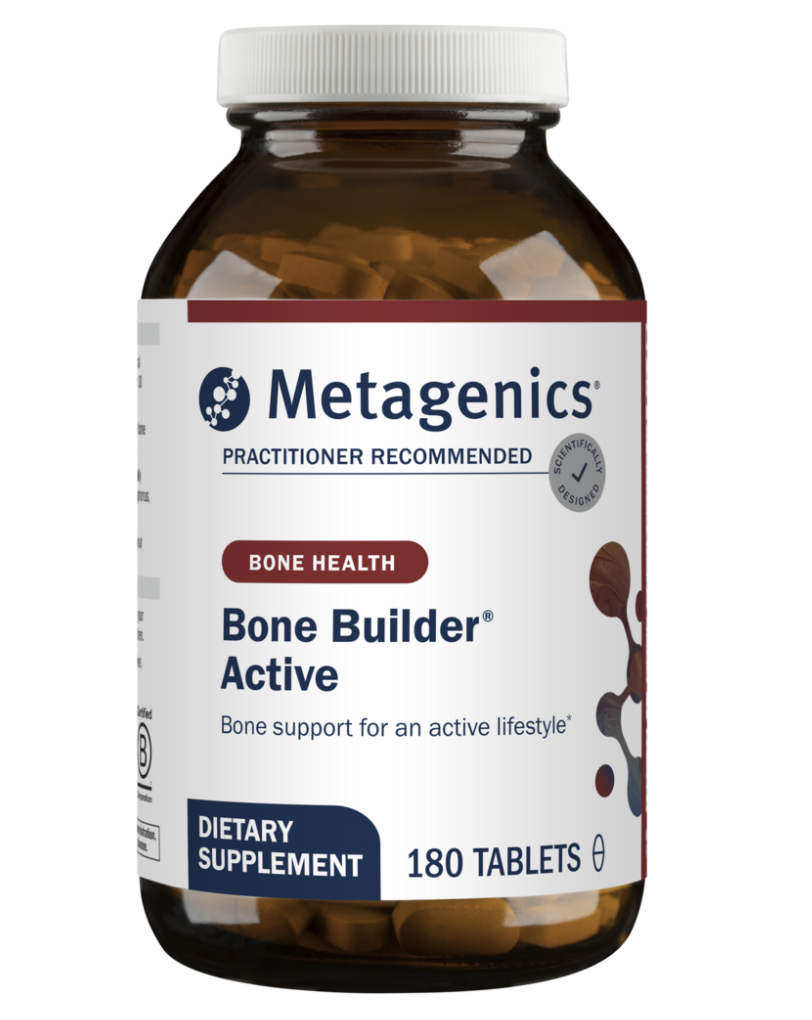
Metagenics Bone Builder Active — Uses MCHC (microcrystalline hydroxyapatite concentrate), a whole bone matrix compound that provides calcium, phosphorus, bone growth factors, and collagen proteins in the ratios your body recognizes. The Active formula adds vitamin C, glucosamine, zinc, magnesium, silica, and trace minerals — making it the most comprehensive option in the Metagenics line for active fracture recovery.
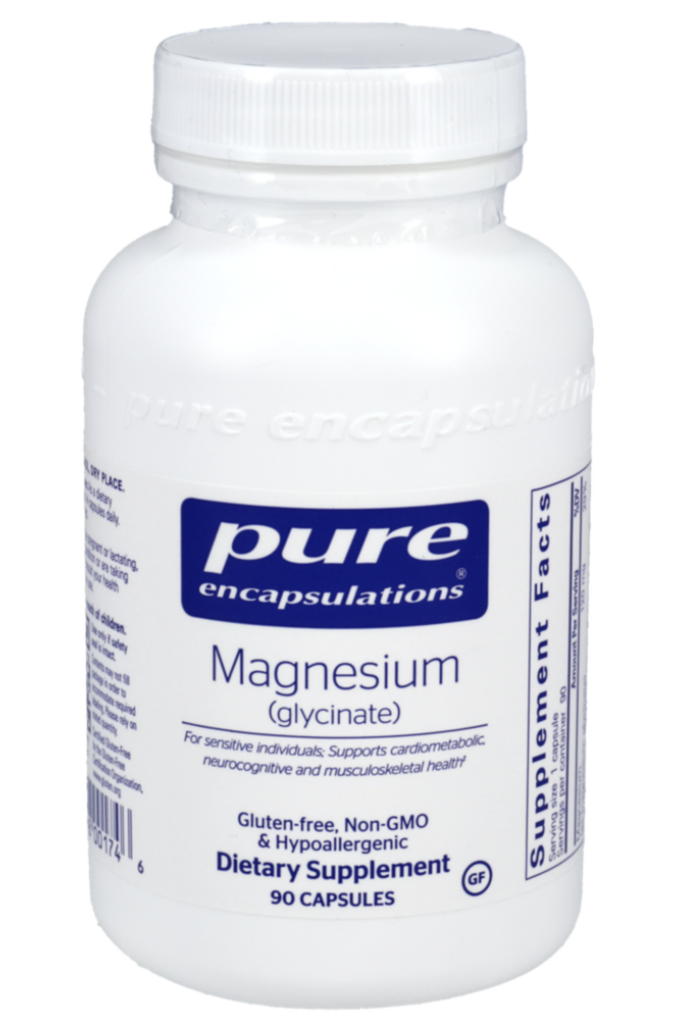
Pure Encapsulations Magnesium Glycinate — Magnesium is involved in over 300 enzymatic processes including bone mineralization and calcium metabolism, yet most people run low on it without realizing it. Pure Encapsulations uses a highly bioavailable chelated glycinate form that is well-absorbed and notably gentle on digestion — an important consideration since magnesium supplements can cause GI upset in sensitive individuals. At 120mg per capsule with a flexible dosing range of 1–4 capsules daily, it is easy to find the right amount for your individual needs. Taking it in the evening also supports the deep, restorative sleep when most of your body's repair work happens.
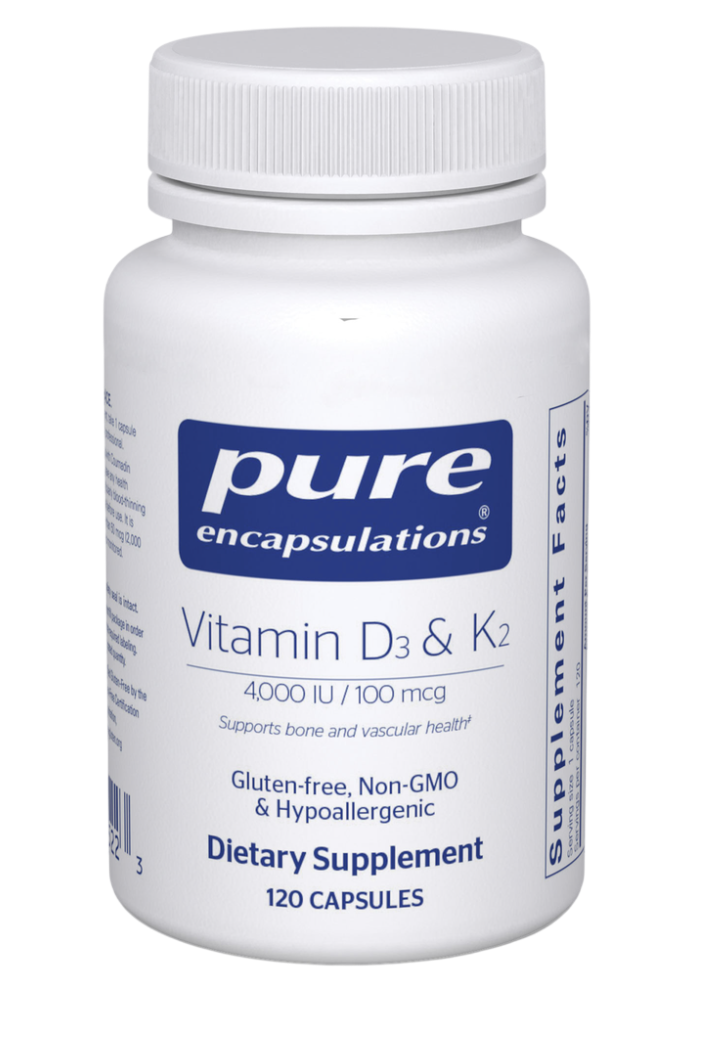
Pure Encapsulations Vitamin D3 + K2 (4,000 IU) — D3 and K2 need to be taken together. D3 increases calcium absorption significantly, but without K2, that calcium has no clear direction. K2 (as MK-7) activates the proteins that direct calcium specifically into bone tissue rather than soft tissue and arterial walls — which is the entire goal during fracture healing.
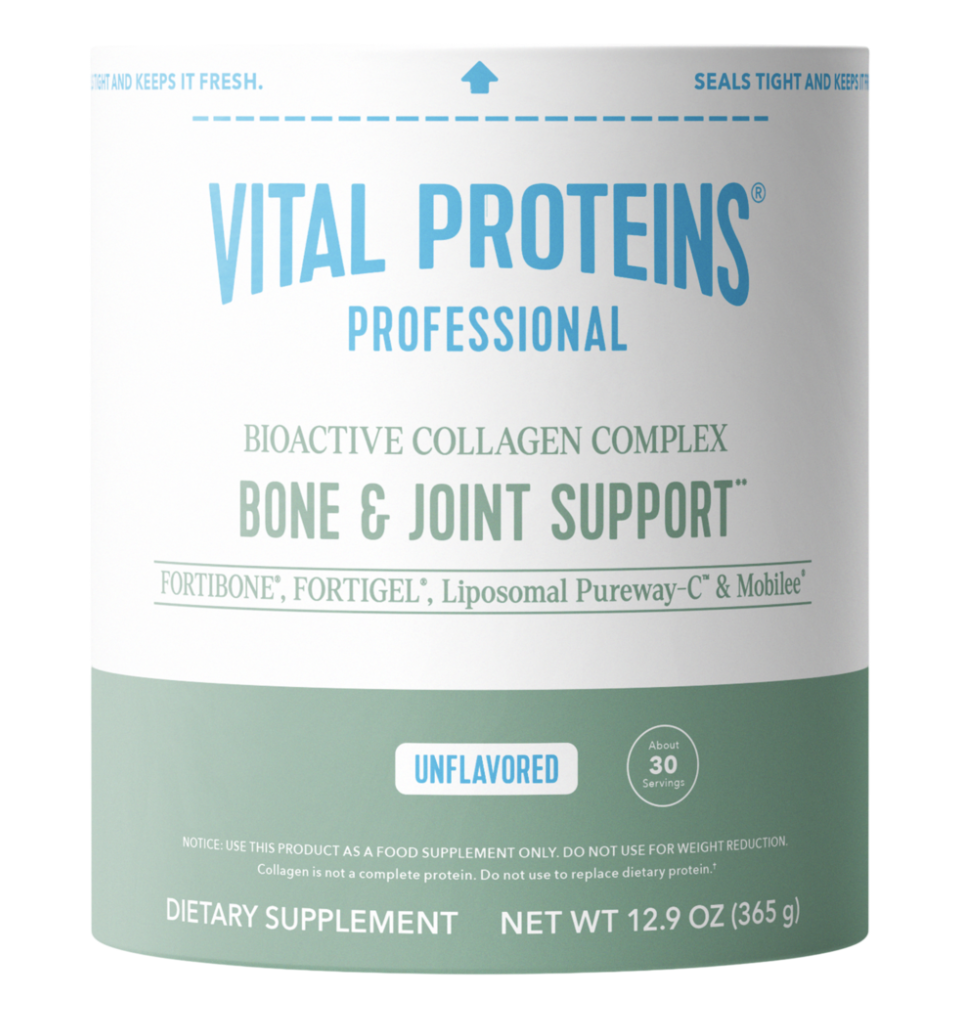
Vital Proteins Professional Bone & Joint Support — Bone is approximately 30% collagen, so rebuilding it after a fracture is not just a mineral job. This professional collagen powder contains FORTIBONE®, a bioactive collagen peptide shown in a 12-month clinical study to stimulate osteoblast activity while reducing osteoclast activity, along with FORTIGEL® for cartilage and connective tissue repair and liposomal vitamin C to support collagen synthesis throughout.
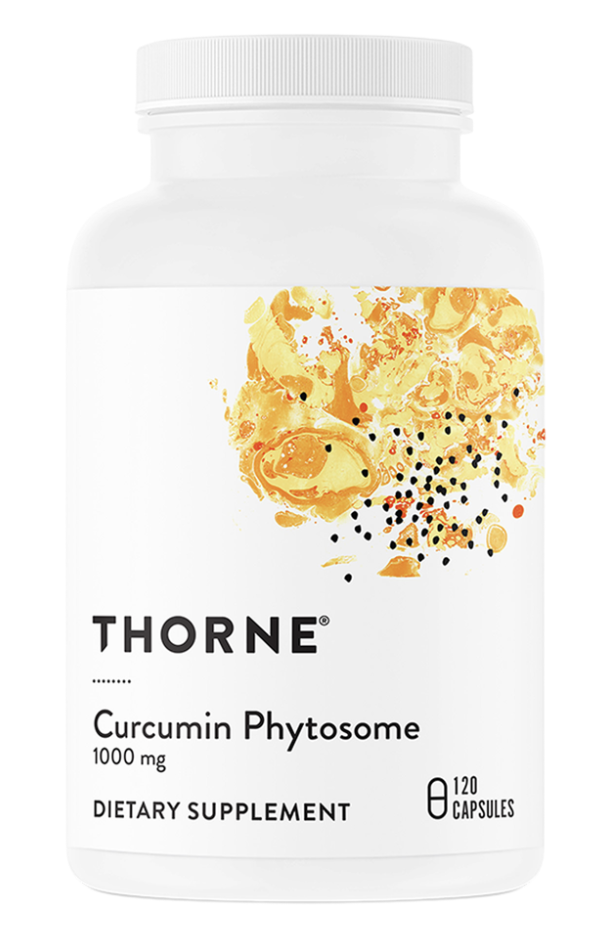
Thorne Curcumin Phytosome — Curcumin earns its place here for two reasons: it naturally reduces inflammation through NF-κB inhibition (which matters a great deal when every breath aggravates a rib fracture), and research shows it directly stimulates osteoblast differentiation via the Wnt/β-catenin signaling pathway. Thorne’s phytosome form is significantly better absorbed than standard curcumin supplements.
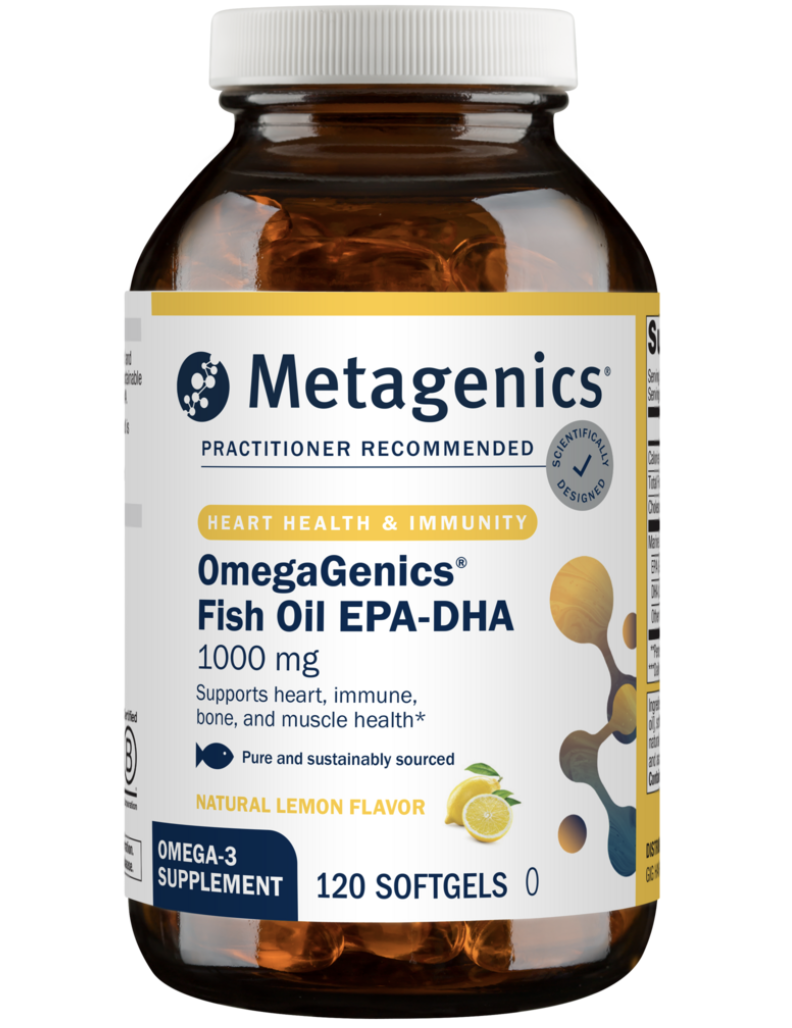
Metagenics OmegaGenics® 5-in-1 Fish Oil 1000mg EPA-DHA — Most fish oil supplements require multiple capsules to reach a meaningful therapeutic dose — this one delivers a full 1,000mg of EPA and DHA in a single softgel. That potency matters for bone healing, where omega-3s reduce systemic inflammation, support bone density, and help balance the osteoblast-to-osteoclast ratio that governs how effectively your body builds new bone. The formula is delivered in triglyceride form for up to 50% better absorption than standard fish oil, sourced from wild-caught sardines, anchovies, and mackerel, tested for 200+ contaminants including heavy metals and microplastics, and carries Friend of the Sea certification.

4. Diet for Bone Healing
Supplements fill the gaps, but food is the foundation that everything else builds on.
Prioritize protein at every meal
Bone is roughly 30% collagen, and collagen is a protein. Your body is running an active construction project during fracture healing and needs adequate protein to do the work. Eggs, meat, fish, poultry, Greek yogurt, and legumes are all excellent sources. This is genuinely not the time to undereat. Research suggests that protein intake in the range of 1.2–1.6 grams per kilogram of body weight per day is appropriate during active healing — higher than typical daily recommendations. If your appetite is suppressed from pain or medication, prioritizing a protein source at every meal and snack is the simplest way to make sure you are hitting adequate amounts without having to track obsessively.
Include calcium-rich foods daily
Dairy (if you tolerate it), sardines and canned salmon with bones, leafy greens like kale and bok choy, and fortified foods all contribute meaningful calcium. Make sure a calcium-rich food shows up at most meals. It is worth noting that calcium absorption is not just about how much you eat — it is about the full nutritional context around it. Pairing calcium-rich foods with your vitamin D3 and K2 supplements, eating adequate magnesium, and avoiding large amounts of caffeine or sodium at the same meal all help your body actually use the calcium you are taking in rather than passing it through.
Eat your vitamin C
Vitamin C is essential for collagen synthesis — it is the co-factor that makes the whole process work. Bell peppers, citrus, strawberries, broccoli, and kiwi are all excellent whole food sources that complement what you are getting through your supplement protocol. What many people do not realize is that vitamin C is water-soluble and not stored in the body, which means consistent daily intake matters more than one large dose. Spreading vitamin C-rich foods throughout the day — rather than relying on a single glass of orange juice in the morning — gives your body a steadier supply to work with for ongoing collagen production throughout the healing process.
Load up on anti-inflammatory foods
Colorful vegetables, berries, fatty fish, olive oil, and herbs like turmeric and ginger all help manage the inflammatory environment at the fracture site — supporting and amplifying everything your curcumin and fish oil supplements are already doing. Think of food and supplements here as working in tandem rather than in isolation. A handful of blueberries, a drizzle of extra virgin olive oil over roasted vegetables, wild-caught salmon twice a week, and fresh ginger in a smoothie are small, practical additions that add up meaningfully over the weeks of active healing. The goal is not a perfect anti-inflammatory diet overnight — it is consistently tipping the balance away from foods that inflame and toward foods that repair.
Minimize what works against healing
A few things actively work against the bone repair process and are worth being mindful of during the active healing window — none of these need to be perfect, but reducing them where you can makes a real difference.
Alcohol directly impairs osteoblast activity and reduces calcium absorption, two things you are actively trying to optimize during fracture recovery. Heavy or frequent drinking has been shown to slow fracture healing and increase complication rates. An occasional drink is unlikely to derail your progress, but this is not the season for regular or excessive consumption.
Smoking is one of the most well-documented enemies of bone healing — research shows it significantly reduces blood flow to the fracture site, impairs collagen formation, and can meaningfully extend healing time. If there is ever a motivating reason to cut back or stop, recovering from a fracture is it.
Excess sugar and refined carbohydrates drive systemic inflammation and deplete key minerals including magnesium and zinc — both of which are foundational to the bone repair process. Think white bread, pastries, sweetened beverages, and packaged snack foods. These are not just empty calories during recovery — they actively compete with the healing work your body is trying to do.
Highly processed foods tend to be high in omega-6 fatty acids, sodium, and additives that promote inflammation and offer little nutritional value for tissue repair. If it comes in a package with a long ingredient list, it is worth setting aside during the healing window in favor of whole, nutrient-dense options.
Excessive caffeine is worth moderating as well — very high intake has been associated with reduced calcium retention, which is a concern when your body needs every bit of calcium it can hold onto to rebuild bone. A cup or two of coffee daily is generally fine, but multiple energy drinks or large amounts of caffeine throughout the day are worth pulling back on.
Other Modalities Worth Exploring
The four-part protocol I’ve outlined above is where I would personally start — but for those who want to go even deeper, there are a few additional evidence-informed approaches that have meaningful research behind them for bone fracture healing.
PEMF Therapy (Pulsed Electromagnetic Field)
PEMF therapy uses low-level electromagnetic fields to stimulate osteoblast activity and support bone repair at the cellular level. It has been FDA-cleared for non-healing bone fractures since 1979 and has a growing body of research behind it for accelerating fracture healing and reducing pain. Home devices are available at a range of price points, and it is non-invasive and generally well-tolerated. If you are someone who likes to layer every available tool during recovery, this one is worth researching further.
Sleep Optimization
This one is free, requires no device, and is arguably as important as anything else on this list — yet it is almost never talked about in the context of fracture recovery. Growth hormone, which directly stimulates osteoblast activity and bone formation, is secreted predominantly during deep sleep. Collagen production, angiogenesis, and callus formation all ramp up overnight. Conversely, sleep deprivation elevates cortisol levels, which actively break down bone tissue and slow repair. Prioritizing 7–9 hours of quality sleep, keeping a consistent sleep schedule, and reducing screen exposure before bed are simple, zero-cost interventions that meaningfully support everything else in this protocol.
Gentle Movement and Mechanical Loading
Complete rest is appropriate in the acute phase immediately following a fracture — but prolonged immobility beyond that is actually counterproductive. Controlled mechanical loading signals bone tissue to remodel and deposit new bone in the right places. Even gentle, physician-cleared movement like short walks or light range-of-motion work sends the biological signal your bone needs to rebuild with purpose. Always follow your doctor’s guidance on timing and type of movement, but know that when your provider gives you the green light to start moving, doing so is an active part of healing — not a risk to it.
Putting It All Together
Fracture recovery does not have to be a passive waiting game. The four tools I recommend — BPC-157/TB-500 peptide injections for cellular-level tissue repair and bone regeneration, daily red light therapy via LUMEBOX to reduce inflammation and stimulate healing at the fracture site, a targeted six-product supplement protocol available through my Fullscript storefront, and a whole-foods diet built around protein, calcium, vitamin C, and anti-inflammatory foods — work together to give your body the most comprehensive natural healing environment possible. Not one of these healing tools requires a prescription or a specialist — and all of them can be done from home. At the end of the day, no one expects to have to put this protocol into action, but I hope that if someone finds themselves with a broken bone, they know there are options within their control that may help accelerate their healing.
Medical Disclaimer: The information in this article is for educational purposes only and reflects personal research and experience as a Functional Medicine Certified Health Coach. It is not intended to diagnose, treat, cure, or prevent any disease or medical condition and should not be used as a substitute for professional medical advice. Always consult your physician or qualified healthcare provider before starting any new supplement, therapeutic protocol, or dietary change — particularly if you are pregnant, nursing, taking medications, or managing an existing health condition.
References
Borić I, et al. From Regeneration to Analgesia: The Role of BPC-157 in Tissue Repair and Pain Management. International Journal of Molecular Sciences. 2026;27(6):2876. https://doi.org/10.3390/ijms27062876
Chang CH, Tsai WC, Hsu YH, Pang JH. Pentadecapeptide BPC 157 Enhances the Growth Hormone Receptor Expression in Tendon Fibroblasts. Molecules. 2014;19(11):19066–19077. https://pmc.ncbi.nlm.nih.gov/articles/PMC6271067/
Vasireddi N, et al. Emerging Use of BPC-157 in Orthopaedic Sports Medicine: A Systematic Review. Sports Health. 2025. https://doi.org/10.1177/15563316251355551
Griggs F, et al. Thymosin Beta-4 and TB-500 in Tissue Healing, Regeneration, and Musculoskeletal Repair: A Scoping Review. Applied Sciences. 2026;16(12):6202. https://doi.org/10.3390/app16126202
Peng J. TB-500 for Injury Recovery: What the Research Actually Shows. 2026. https://www.jeffreypengmd.com/post/tb-500-for-injury-recovery-what-the-research-actually-shows
Thymosin Beta-4 Enhances Bone Healing in Fracture Model. PubMed ID: 19647084. Summarized at: https://www.peptidemark.com/research/19647084
Escudero JSB, et al. Photobiomodulation therapy (PBMT) in bone repair: a systematic review. Injury. 2019;50(11):1853–1867. https://doi.org/10.1016/j.injury.2019.09.031
NIR Light-Assisted Phototherapies for Bone-Related Diseases and Bone Tissue Regeneration: A Systematic Review. PMC. 2020. https://pmc.ncbi.nlm.nih.gov/articles/PMC7546009/
Effect of near-infrared light on in vitro cellular ATP production of osteoblasts and fibroblasts and on fracture healing with intramedullary fixation. PMC. 2016. https://pmc.ncbi.nlm.nih.gov/articles/PMC5106470/
Bonfim DS, et al. Effectiveness of 780nm photobiomodulation as adjunct treatment for bone exposed fractures: a pilot study. Journal of Biophotonics. 2024;17(5):e202300348. https://doi.org/10.1002/jbio.202300348
Microcrystalline Hydroxyapatite Compound in Prevention of Bone Loss in Corticosteroid-Treated Patients with Chronic Active Hepatitis. Postgraduate Medical Journal. 1985;61(719):791–796. https://pmc.ncbi.nlm.nih.gov/articles/PMC2418401/
Dahl WJ, Zello GA. Acute and 3-Month Effects of Microcrystalline Hydroxyapatite, Calcium Citrate and Calcium Carbonate on Serum Calcium and Markers of Bone Turnover. British Journal of Nutrition. 2014;112(10). https://doi.org/10.1017/S0007114514002360
Wang X, et al. The Role of Magnesium Hydrogels in Bone Regeneration: A Systematic Review and Meta-Analysis. Journal of Materials Science: Materials in Medicine. 2025. https://link.springer.com/article/10.1007/s10856-025-06881-8
He L, et al. Research Progress on the Role and Mechanism of Magnesium-Containing Materials in Bone Repair. PMC. 2025. https://pmc.ncbi.nlm.nih.gov/articles/PMC12237806/
Watanabe M, et al. Combined Vitamin K2 and D3 Therapy Improves Endoscopic Fusion Outcomes in Osteoporotic Lumbar Degenerative Disease. Scientific Reports. 2025. https://doi.org/10.1038/s41598-025-99922-9
Wölfl C, et al. Time Course of 25(OH)D3 Vitamin D3 as Well as PTH During Fracture Healing of Patients with Normal and Low Bone Mineral Density. BMC Musculoskeletal Disorders. 2013;14:6. https://pmc.ncbi.nlm.nih.gov/articles/PMC3544577/
König D, et al. Specific Collagen Peptides Improve Bone Mineral Density and Bone Markers in Postmenopausal Women — A Randomized Controlled Study. Nutrients. 2018;10(1):97. https://pmc.ncbi.nlm.nih.gov/articles/PMC5793325/
Zdzieblik D, et al. Specific Bioactive Collagen Peptides in Osteopenia and Osteoporosis: Long-Term Observation in Postmenopausal Women. Journal of Bone Metabolism. 2021;28(3):207–213. https://doi.org/10.11005/jbm.2021.28.3.207
Xie Q, et al. Comprehensive Systematic Review and Meta-Analysis on the Therapeutic Efficacy of Curcumin in Osteoporosis. Frontiers in Nutrition. 2025. https://doi.org/10.3389/fnut.2025.1590256
Wang Y, et al. The Potential Therapeutic Role of Curcumin in Osteoporosis Treatment: Based on Multiple Signaling Pathways. Frontiers in Pharmacology. 2024. https://doi.org/10.3389/fphar.2024.1446536
Bone Benefits of Fish Oil Supplementation Depend on Its EPA and DHA Content. PMC. 2019. https://pmc.ncbi.nlm.nih.gov/articles/PMC6893665/
Unraveling the Omega-3 Puzzle: Navigating Challenges and Innovations for Bone Health and Healthy Aging. PMC. 2024. https://pmc.ncbi.nlm.nih.gov/articles/PMC11509197/
Xu B, et al. The Influence of Smoking and Alcohol on Bone Healing: Systematic Review and Meta-Analysis of Non-Pathological Fractures. eClinicalMedicine / The Lancet. 2021;42:101179. https://doi.org/10.1016/j.eclinm.2021.101179
Natoli R, Callaci J. How Binge Drinking Impairs Healing of Broken Bones. American Society for Bone and Mineral Research Annual Meeting. 2013. Reported by ScienceDaily. https://www.sciencedaily.com/releases/2013/10/131006161329.htm
Sun J, et al. Signalling Pathways Underlying Pulsed Electromagnetic Fields in Bone Repair. Frontiers in Bioengineering and Biotechnology. 2024. https://doi.org/10.3389/fbioe.2024.1333566
Wuschech H, et al. Pulsed Electromagnetic Field Therapy Improves Osseous Consolidation after High Tibial Osteotomy in Elderly Patients — A Randomized, Placebo-Controlled, Double-Blind Trial. PMC. 2019. https://pmc.ncbi.nlm.nih.gov/articles/PMC6912342/
Ongaro A, et al. Pulsed Electromagnetic Field Stimulation of Bone Healing and Joint Preservation: Cellular Mechanisms of Skeletal Response. PMC. 2020. https://pmc.ncbi.nlm.nih.gov/articles/PMC7434032/
Sleep and Bone Regeneration: Unlocking the Secrets of Restorative Rest. National Osteoporosis Foundation South Africa. 2025. https://osteoporosis.org.za/sleep-and-bone-regeneration-unlocking-the-secrets-of-restorative-rest/
London Bridge Orthopaedics. Sleep: Why It’s Important For Bone Growth & Tissue Repair. 2024. https://www.londonbridgeorthopaedics.co.uk/sleep-important-bone-growth/
Ma Q, et al. Significance of Mechanical Loading in Bone Fracture Healing, Bone Regeneration, and Vascularization. PMC. 2023. https://pmc.ncbi.nlm.nih.gov/articles/PMC10214107/
Mechanical Regulation of Bone Remodeling. Bone Research / Nature. 2022. https://pmc.ncbi.nlm.nih.gov/articles/PMC8857305/
*A Note From Well North Living: This post is for educational purposes only and isn't a substitute for individualized medical advice — please consult your healthcare provider before starting any new supplement or health protocol. This post may also contain affiliate links, including to my Fullscript dispensary and EllieMD; if you purchase through these links, I may earn a small commission at no extra cost to you. I only share products and brands I personally use and trust. Thanks for being here, and cheers to your health!
