

Red Light Therapy Benefits, Science & Why I Use LUMEBOX Daily
Red light therapy has gone from a niche biohacking tool to one of the most talked-about wellness technologies of the last decade. But what does it actually do, does the science back it up, and does the device you choose really matter? I am going to answer all of those questions today — and share my personal experience using red light therapy daily for the last several years, including how it changed my thyroid health, my skin, and my family’s everyday wellness routine.
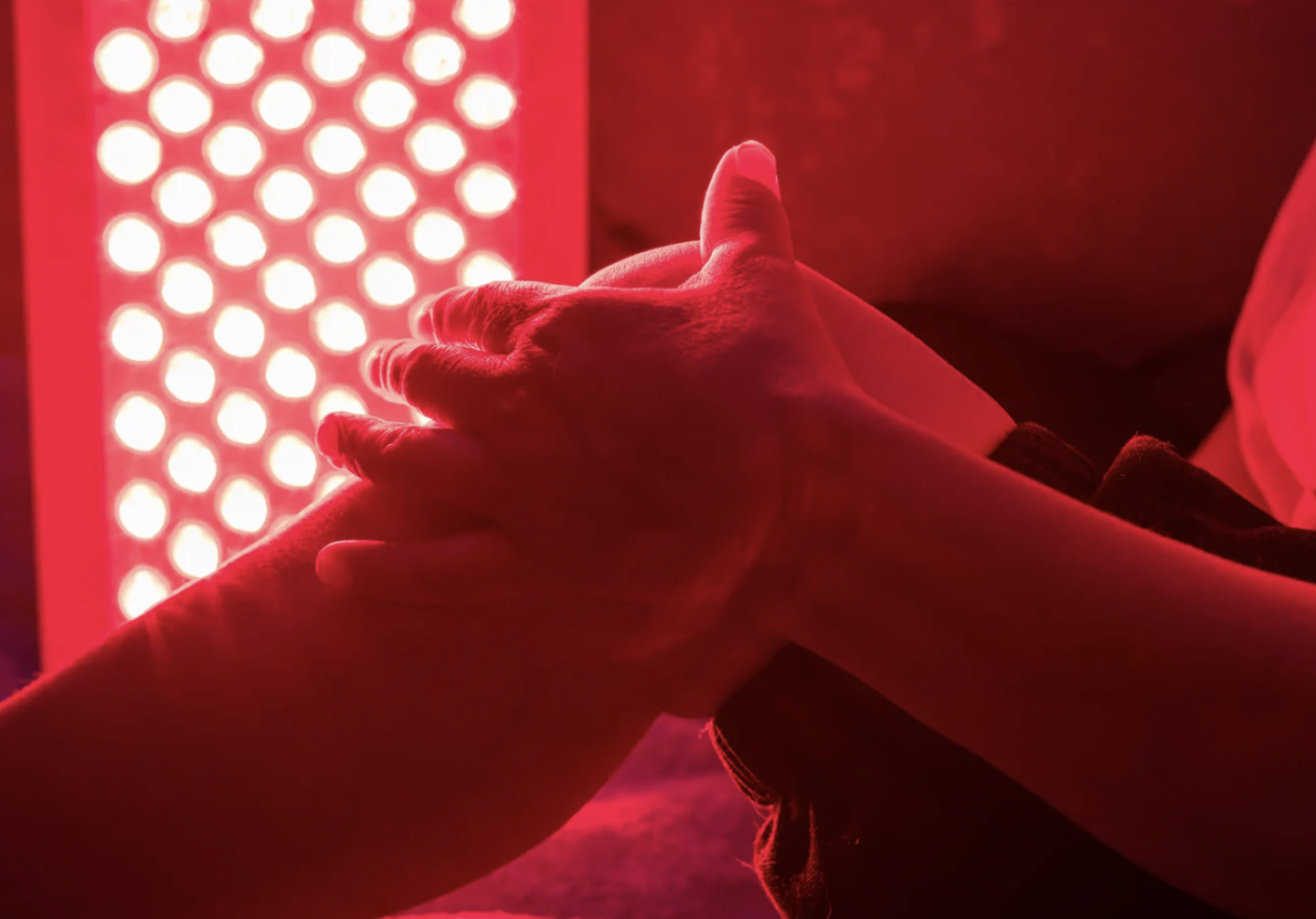
A Brief History of Red Light Therapy — From Accidental Discovery to Your Living Room
The scientific term for red light therapy is photobiomodulation (PBM) — which alone tells you this is a lot more than a wellness trend. It was discovered in 1967, completely by accident. Hungarian physician Dr. Endre Mester was using a low-level red laser to study cancer risks in mice, and instead of causing damage, he observed accelerated hair regrowth and significantly improved wound healing. That unexpected finding launched an entirely new field of medical research.
Fast forward to the late 1980s and early 1990s: NASA discovered that red light stimulation helped plants grow in space without sunlight, and later found that it accelerated wound healing in astronauts. In 2001, NASA-sponsored scientists exposed US Navy SEALs to red light and again documented significantly faster wound healing — research that led the FDA to register low-level laser therapy as a legitimate medical therapy device.
For decades after that, red light therapy remained largely confined to clinical settings. The biggest barrier was technology — early studies used expensive laser devices that were completely impractical for home use. It wasn’t until the late 2010s that LED panel technology made red light therapy affordable and accessible for everyday consumers. From there, demand exploded, driven by health-conscious consumers seeking non-invasive, drug-free alternatives, high-profile biohackers like Ben Greenfield, researchers like Dr. Andrew Huberman, and elite athletes publicly endorsing the technology.
Today, over 9,500 peer-reviewed studies support photobiomodulation — making it one of the most well-researched non-pharmaceutical health tools available to consumers.
How Does Red Light Therapy Actually Work?
In simple terms, red light therapy works by delivering specific wavelengths of red and near-infrared light directly to your cells — think of it like photosynthesis for your body. Just as plants use sunlight to produce energy, your cells absorb therapeutic wavelengths of light and convert them into biological fuel.
The key player in this process is the mitochondria — the powerhouse of every cell. Inside the mitochondria is an enzyme called cytochrome c oxidase, which acts as the primary receiver of red and near-infrared light. When light hits this enzyme, it triggers a cascade of cellular events: ATP (your body’s energy currency) production increases, oxidative stress is reduced, blood flow improves, and the body’s natural repair and regeneration processes are activated.
The two most clinically studied wavelengths are:
660 nm (Red Light) — penetrates the upper layers of skin. Best for skin rejuvenation, collagen production, wound healing, hair growth, mood support, and circadian rhythm regulation.
850 nm (Near-Infrared Light) — invisible to the naked eye and penetrates deeper into muscle, joint, and tissue. Best for inflammation reduction, muscle recovery, joint pain, and deep cellular repair.
The most effective red light therapy devices deliver both wavelengths simultaneously — which is one of the primary reasons I chose LUMEBOX. More on that shortly.
The Health Benefits of Red Light Therapy — What the Research Shows
Here are the most well-established, research-backed benefits of consistent red light therapy use:
Skin Rejuvenation and Anti-Aging — Red light at 660 nm stimulates collagen and elastin production. Clinical trials have shown wrinkle depth reductions of up to 75% after consistent use, with measurable improvements in skin texture and tone.
Hair Growth — Studies show red light therapy can increase hair density and thickness by 35–51% compared to placebo over 16 weeks — one of the few non-pharmaceutical, non-invasive tools with genuine clinical hair restoration evidence.
Cellular Energy and ATP Production — Photobiomodulation has been shown to increase cellular ATP levels by 30–50%, translating to faster healing, better recovery, and improved overall cellular function.
Thyroid Health — A landmark Brazilian clinical study found that red light therapy applied directly to the thyroid improved hormone levels, reduced autoimmune markers in Hashimoto’s patients, and in some cases, reduced or eliminated the need for thyroid medication. (This one is personal for me — more below.)
Muscle Recovery and Pain Relief — Near-infrared light at 850 nm penetrates deep into muscle and joint tissue, reducing inflammation and accelerating recovery. This is why red light therapy has become a standard tool in professional sports medicine and elite athletic recovery programs.
Inflammation and Immune Support — Photobiomodulation modulates inflammatory pathways at the cellular level, with wide-ranging implications for autoimmune conditions, chronic disease, and cardiovascular health.
Why the Device You Choose Matters — A Lot
Not all red light therapy devices are created equal — and this is something the wellness industry does not talk about enough. Many consumer devices on the market are little more than red-tinted light bulbs with no real therapeutic power. For red light therapy to produce results at the cellular level, these criteria are non-negotiable:
✔ Correct Wavelengths — 660 nm red and 850 nm near-infrared are non-negotiable. The mitochondrial enzyme that drives all of red light therapy’s benefits (cytochrome c oxidase) has two primary absorption peaks — one at ~660 nm and one at ~850 nm. The range between 700–780 nm falls in the valley between those peaks where cytochrome c oxidase absorbs almost nothing, meaning light in that range passes through tissue without producing meaningful cellular results. This is exactly where many cheaper devices quietly operate because those LEDs cost less to manufacture. If a device doesn’t list its exact wavelengths, that’s a red flag worth taking seriously.
✔ Adequate Irradiance — Irradiance measures how much light energy actually reaches your skin. Research supports a therapeutic range of 100–150 mW/cm². Too low and you simply will not get results, regardless of how long you use the device.
✔ Third-Party Testing — Any reputable device should have independent lab verification of wavelengths, irradiance, EMF output, and safety standards. No third-party data? Walk away.
✔ Low EMF — Since you are placing the device directly on your body, EMF levels at point-of-contact matter — not at six inches away, which is how many brands conveniently report their readings.
✔ Dual Wavelength Simultaneous Delivery — A device that delivers both red and near-infrared light from each bulb at the same time is significantly more effective than one that delivers them separately.
Why I Use and Recommend LUMEBOX
After researching the red light therapy market extensively, LUMEBOX is the device I use daily — for myself, my children, and our overall family wellness. LUMEBOX was designed by Dr. Vivian Chen, an integrative medical doctor with over 14 years of clinical experience — not a marketing team. Every design element, from wavelength selection to EMF shielding, was built with clinical integrity and patient safety as the priority.
What sets LUMEBOX apart:
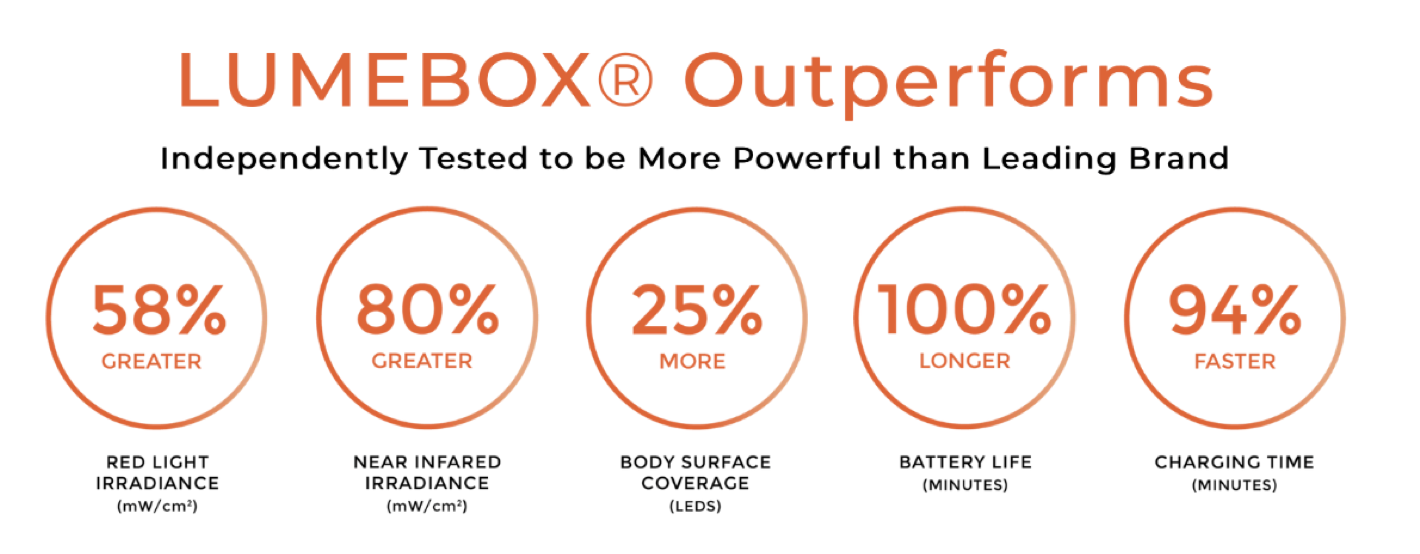
Dual wavelengths, simultaneously — delivers both 660 nm red and 850 nm near-infrared light from each bulb at the same time, with 80% higher irradiance than leading brands and 25% more surface area coverage than most portable devices. More power, deeper penetration, shorter sessions.
Exceptionally low EMF — independently tested at 0 cm from the device, measuring just 0.2 µT — 50 to 100 times lower than common household appliances like hair dryers.
Third-party verified — rigorously tested and meets IEC safety standards for electrical, EMF, and optical light safety.
FSA/HSA eligible — recognized as a legitimate health device under U.S. healthcare spending guidelines.
Portable and rechargeable — compact enough to target specific areas including the thyroid, face, scalp, and sore muscles. Easy to use at home or while traveling.
My Personal Experience with LUMEBOX — The Results Speak for Themselves
I purchased my LUMEBOX in 2023 shortly after giving birth to my third child. I was intrigued by the research surrounding red light therapy and improved thyroid health, and was willing to experiment on myself. After learning that I had hypothyroidism in 2017, I started using daily thyroid medication to reach optimal thyroid levels and improve symptom management. Although I did feel better while taking thyroid medication, I did not want to be “tied” to this protocol for life and was always looking for other options to help support my thyroid. Enter red light therapy, I started using my red light over my thyroid daily (usually in the evening before bed), and within the same year, I was able to quit taking my thyroid medication and have remained off of it to the present day. My thyroid levels are all optimal (even the extra thyroid labs doctors don’t always check), and my health has never been better. In fact, my biological age is much lower than my chronological age according to my recent health assessment through Function Health. You can read more about that here. Just to be clear, I am not recommending anyone stop their medication without working closely with their healthcare provider, but I am living proof that it is possible — and red light therapy was a significant part of my protocol.
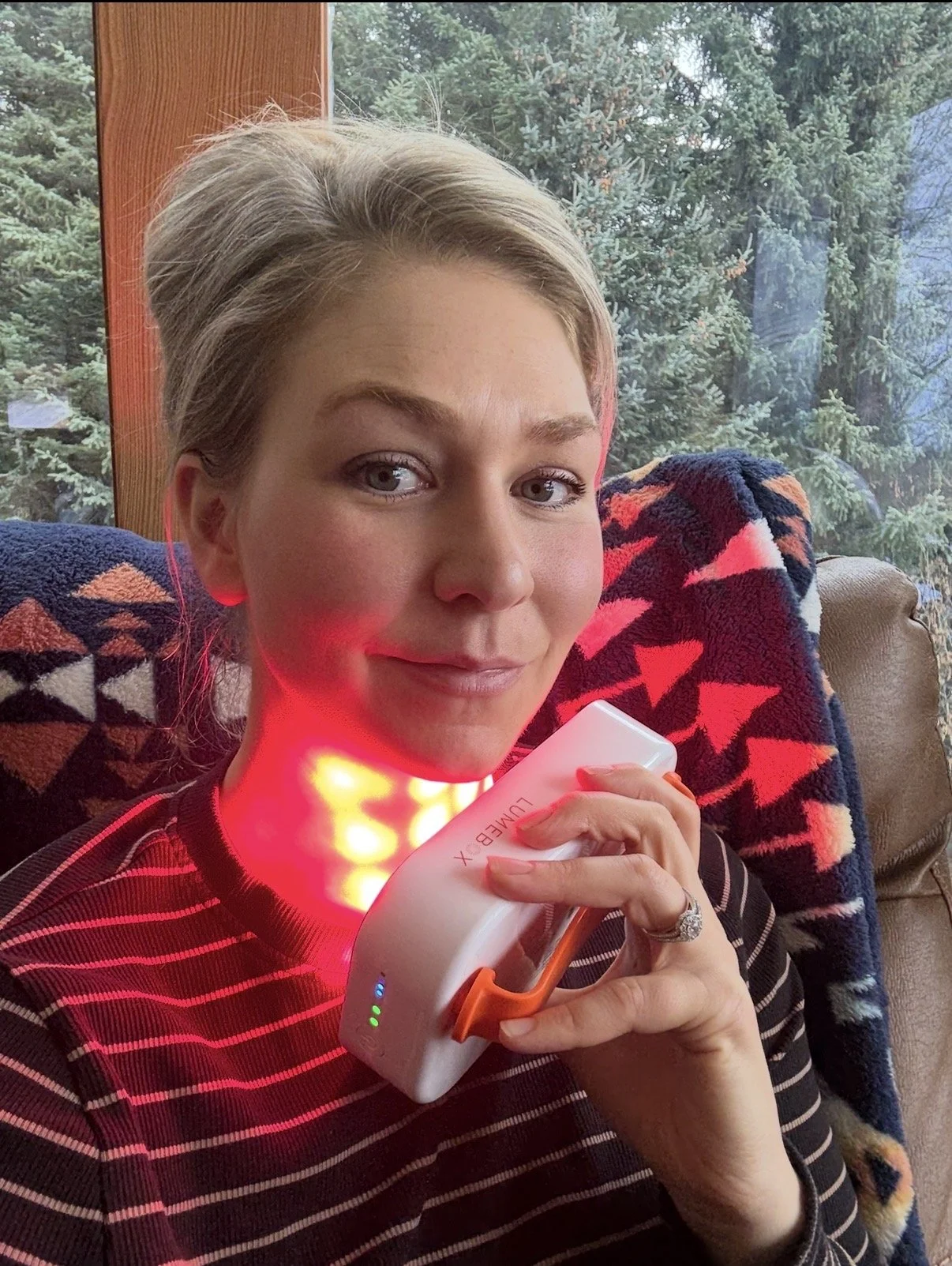
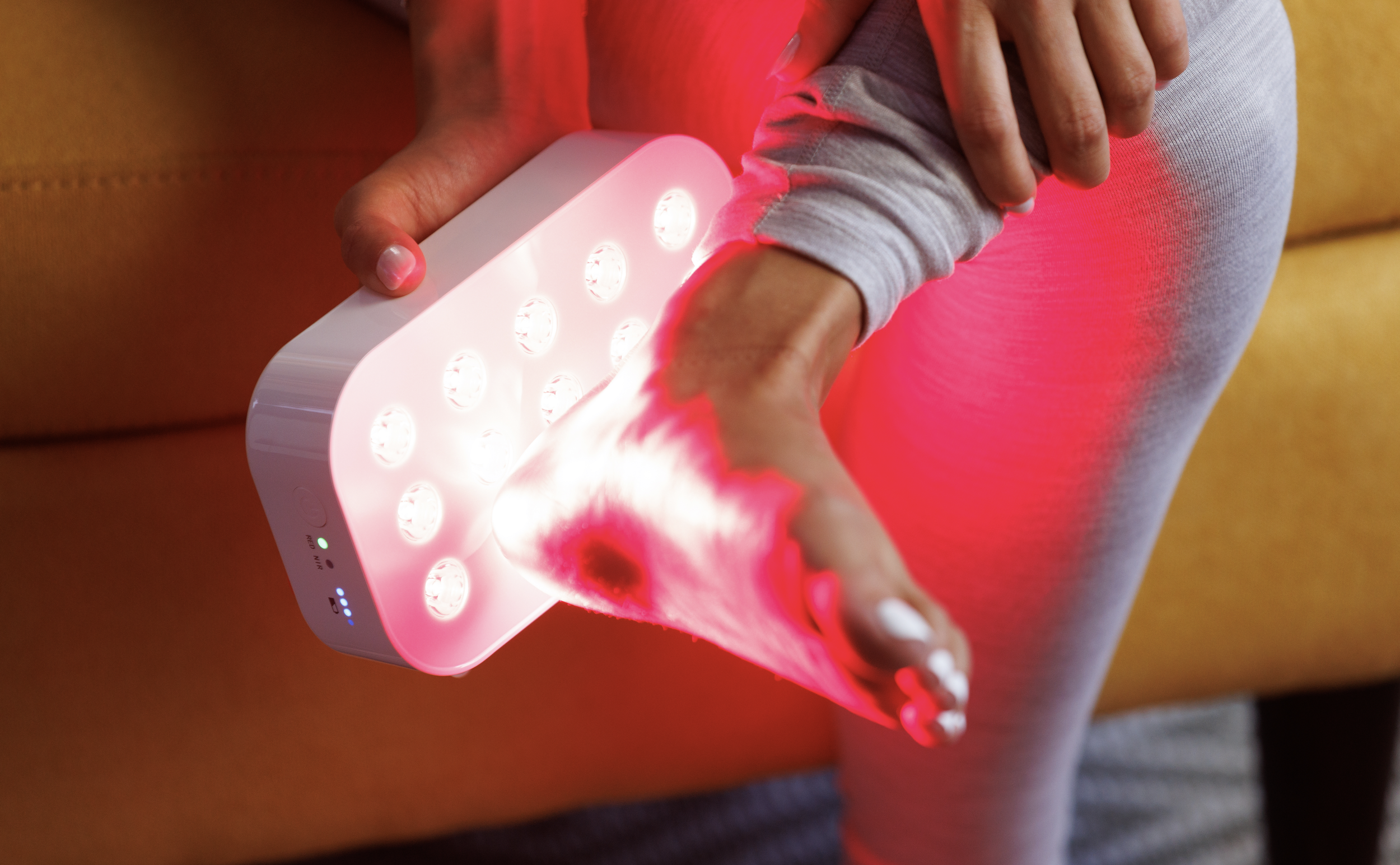
In addition to optimizing my thyroid, I also use LUMEBOX for improved skin (aka fewer wrinkles), postpartum hair regrowth, to help relax (behind the neck), and anytime I have an ache, pain, or sore muscle — red light to the rescue. Our LUMEBOX is also a hot commodity anytime illness is running through the house. We use it over our chest or throat for respiratory symptoms and on the stomach for nausea or the dreaded stomach bug. It is also great for cuts, scrapes, eczema, or any type of rash. Long story short, we use LUMEBOX daily as a part of our wellness routine, but also as a part of our home medicine cabinet. Often, our LUMEBOX gets loaned out to friends healing from surgery or broken bones (usually not for long because they realize they need to have their own ASAP). LUMEBOX is one of the few wellness “gadgets” that I stand by based on my own personal experience and the research that clearly supports the health benefits of consistent use.
Ready to Try Red Light Therapy? Here Is Where to Start
If you are ready to add red light therapy to your daily wellness routine, here are my usage recommendations:
Start with 3–5 minute sessions, 4–5 times per week, holding the device 4–6 inches from the treatment area
Be consistent — most people notice meaningful results within 4–8 weeks, with compounding benefits over 3–6 months
Target multiple areas — face, thyroid, scalp, sore muscles, joints, or anywhere you are experiencing inflammation or slow healing
Use it in the morning when possible to support natural energy production and circadian rhythm alignment
You can shop LUMEBOX and receive an exclusive discount through my affiliate link. It is one of the few wellness tools I recommend to every member of my audience without hesitation — from busy moms and athletes to anyone managing a thyroid condition or simply wanting to invest in their long-term cellular health. If you are going to add one health tool to your daily routine this year, make it this one :)
References
The following peer-reviewed studies and clinical research informed the health claims made in this article.
History and Mechanisms of Photobiomodulation
Mester, E., Szende, B., & Gärtner, P. (1968). The effect of laser beams on the growth of hair in mice. Radiobiologia Radiotherapia, 9(5), 621–626.
Whelan, H.T., et al. (2001). Effect of NASA light-emitting diode irradiation on wound healing. Journal of Clinical Laser Medicine & Surgery, 19(6), 305–314. https://doi.org/10.1089/10445470152612240
Hamblin, M.R. (2018). Mechanisms and mitochondrial redox signaling in photobiomodulation. Photochemistry and Photobiology, 94(2), 199–212. https://doi.org/10.1111/php.12864
de Freitas, L.F., & Hamblin, M.R. (2016). Proposed mechanisms of photobiomodulation or low-level light therapy. IEEE Journal of Selected Topics in Quantum Electronics, 22(3), 348–364. https://doi.org/10.1109/JSTQE.2016.2561201
Therapeutic Wavelengths
Hamblin, M.R., & Demidova, T.N. (2006). Mechanisms of low level light therapy. Proceedings of SPIE, 6140. https://doi.org/10.1117/12.646294
Zein, R., Selting, W., & Hamblin, M.R. (2018). Review of light parameters and photobiomodulation efficacy: dive into complexity. Journal of Biomedical Optics, 23(12), 120901. https://doi.org/10.1117/1.JBO.23.12.120901
Skin Rejuvenation and Anti-Aging
Wunsch, A., & Matuschka, K. (2014). A controlled trial to determine the efficacy of red and near-infrared light treatment in patient satisfaction, reduction of fine lines, wrinkles, skin roughness, and intradermal collagen density increase. Photomedicine and Laser Surgery, 32(2), 93–100. https://doi.org/10.1089/pho.2013.3616
Avci, P., et al. (2013). Low-level laser (light) therapy (LLLT) in skin: stimulating, healing, restoring. Seminars in Cutaneous Medicine and Surgery, 32(1), 41–52. https://pubmed.ncbi.nlm.nih.gov/24049929
Hair Growth
Lanzafame, R.J., et al. (2013). The growth of human scalp hair mediated by visible red light laser and LED sources in males. Lasers in Surgery and Medicine, 45(8), 487–495. https://doi.org/10.1002/lsm.22173
Avci, P., et al. (2014). Low-level laser (light) therapy (LLLT) for treatment of hair loss. Lasers in Surgery and Medicine, 46(2), 144–151. https://doi.org/10.1002/lsm.22170
Cellular Energy and ATP Production
Karu, T.I. (2010). Mitochondrial signaling in mammalian cells activated by red and near-infrared radiation. Photochemistry and Photobiology, 84(5), 1091–1099. https://doi.org/10.1111/j.1751-1097.2008.00394.x
Thyroid Health
Höfling, D.B., et al. (2012). Low-level laser in the treatment of patients with hypothyroidism induced by chronic autoimmune thyroiditis: a randomized, placebo-controlled clinical trial. Lasers in Medical Science, 27(3), 743–753. https://doi.org/10.1007/s10103-011-0995-x
Höfling, D.B., et al. (2013). Assessment of the effects of low-level laser therapy on the thyroid vascularization of patients with autoimmune hypothyroidism by color Doppler ultrasound. ISRN Endocrinology.https://doi.org/10.1155/2012/126720
Muscle Recovery and Pain Relief
Leal Junior, E.C., et al. (2010). Effect of 830 nm low-level laser therapy applied before high-intensity exercises on skeletal muscle recovery in athletes. Lasers in Medical Science, 24(6), 857–863. https://doi.org/10.1007/s10103-009-0683-4
Ferraresi, C., Hamblin, M.R., & Parizotto, N.A. (2012). Low-level laser (light) therapy (LLLT) on muscle tissue: performance, fatigue and repair benefited by the power of light. Photonics & Lasers in Medicine, 1(4), 267–286. https://doi.org/10.1515/plm-2012-0032
Inflammation and Immune Support
Hamblin, M.R. (2017). Mechanisms and applications of the anti-inflammatory effects of photobiomodulation. AIMS Biophysics, 4(3), 337–361. https://doi.org/10.3934/biophy.2017.3.337
*A Note From Well North Living: This post is for educational purposes only and isn't a substitute for individualized medical advice — please consult your healthcare provider before starting any new supplement or health protocol. This post may also contain affiliate links, including to my Fullscript dispensary; if you purchase through these links, I may earn a small commission at no extra cost to you. I only share products and brands I personally use and trust. Thanks for being here, and cheers to your health!
