

The 5 Supplements I Take Daily for Foundational Health (Simple + Science-Based)
If you’ve ever wondered which supplements are actually worth taking — you’re not alone.
There’s no shortage of options, and it’s easy to feel like you need everything. But in reality, most people benefit from focusing on a small number of foundational supplements that support overall health.
Before we get into that, it’s important to say this clearly:
You cannot out-supplement a poor diet.
A whole foods, nutrient-dense diet is always the foundation of health. Supplements are exactly what the name suggests — they supplement what may be missing or suboptimal.
That said, even with a great diet, there are a few reasons why supplements can still play an important role:
Modern soils may contain fewer nutrients than in the past
Busy lifestyles can make optimal nutrition difficult
Individual needs (kids, pregnancy, aging, stress, activity levels) vary
Certain nutrients are simply hard to get in optimal amounts from food alone
This is why many experts in functional and performance health — including Rhonda Patrick, Jeffrey Bland, and practitioners in the functional medicine space — emphasize targeted supplementation alongside a strong dietary foundation.
The 5 Supplements I Use Daily
These are the core supplements I come back to consistently for myself and my family (with a few modifications for my children). You can shop my Daily Essentials on Fullscript here.

1. Omega-3 Fatty Acids
Why it matters:
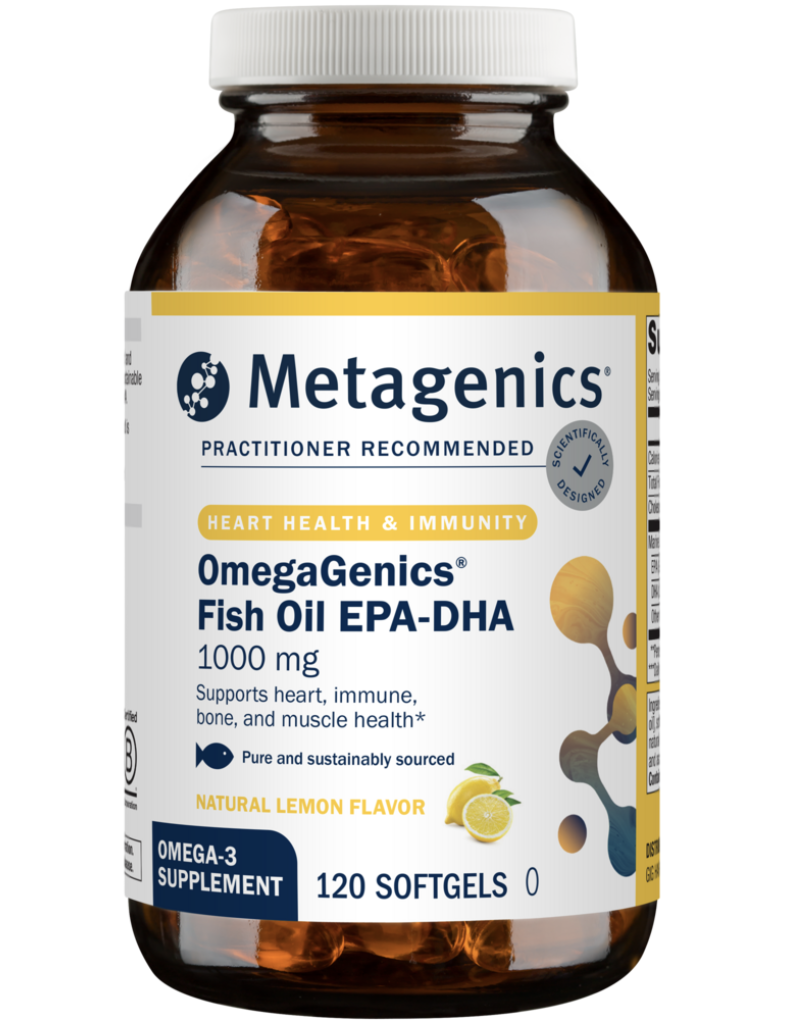
Omega-3s (EPA and DHA) play a critical role in:
brain function
inflammation balance
heart health
cellular health
Many people consume far more omega-6 fats than omega-3s, creating an imbalance that can contribute to inflammation.
When to take it:
👉 With meals (preferably meals containing fat for better absorption).
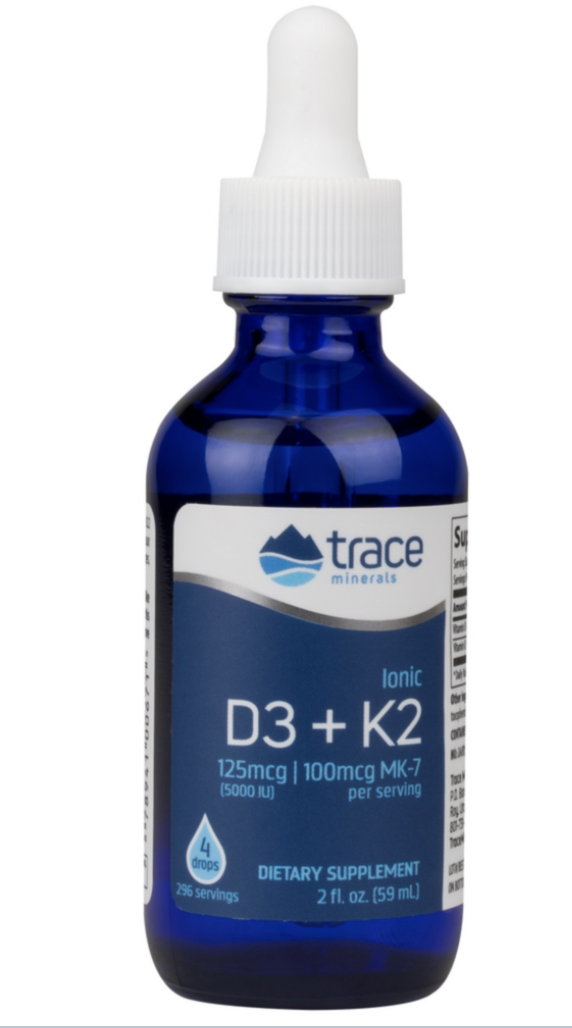
2. Vitamin D3 + K2
Why it matters:
Vitamin D supports:
immune function
bone health
mood and overall wellness
Vitamin K2 works alongside vitamin D by helping direct calcium into bones rather than soft tissues.
This combination is especially important for those living in northern climates with limited sun exposure.
When to take it:
👉 Morning or midday with food.
3. Magnesium
Why it matters:
Magnesium is involved in over 300 enzymatic processes in the body, including:
muscle function
nervous system regulation
sleep quality
stress response
Many people are not getting enough magnesium through diet alone.
When to take it:
👉 Evening (can support relaxation and sleep).
4. Multivitamin
Why it matters:
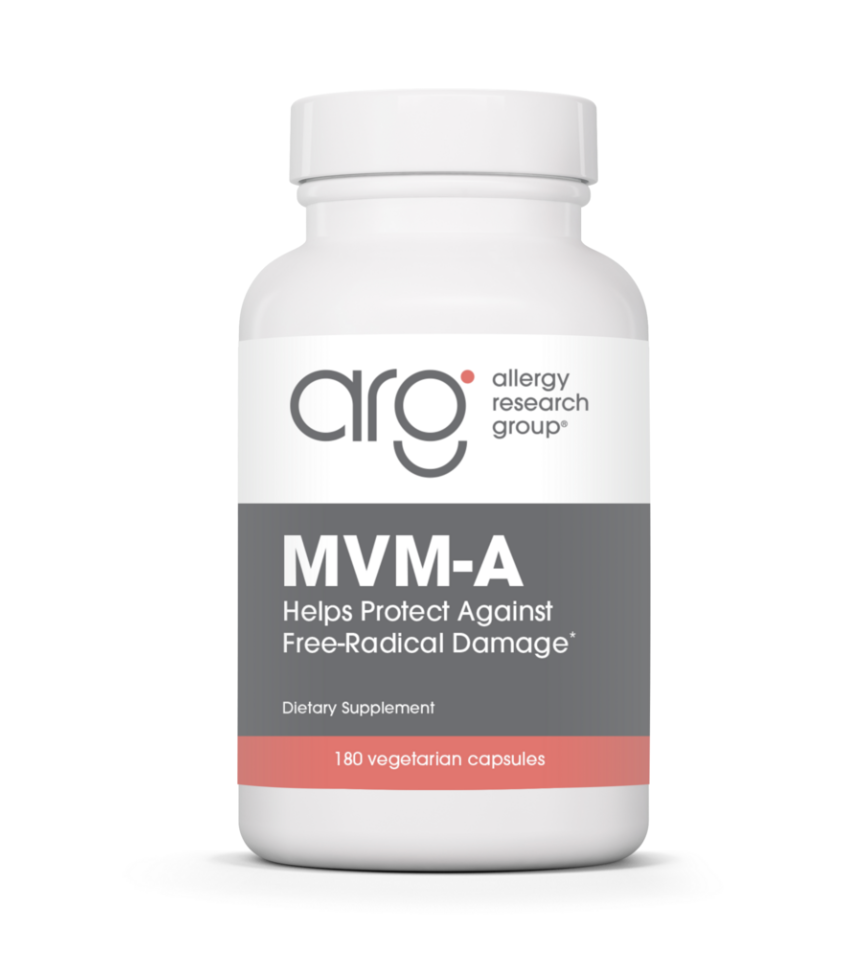
A high-quality multivitamin can help fill in nutritional gaps and provide a baseline of essential vitamins and minerals.
While it’s not a replacement for a healthy diet, it can act as a nutritional safety net.
When to take it:
👉 With food (usually morning or lunch).
5. Creatine
Why it matters:
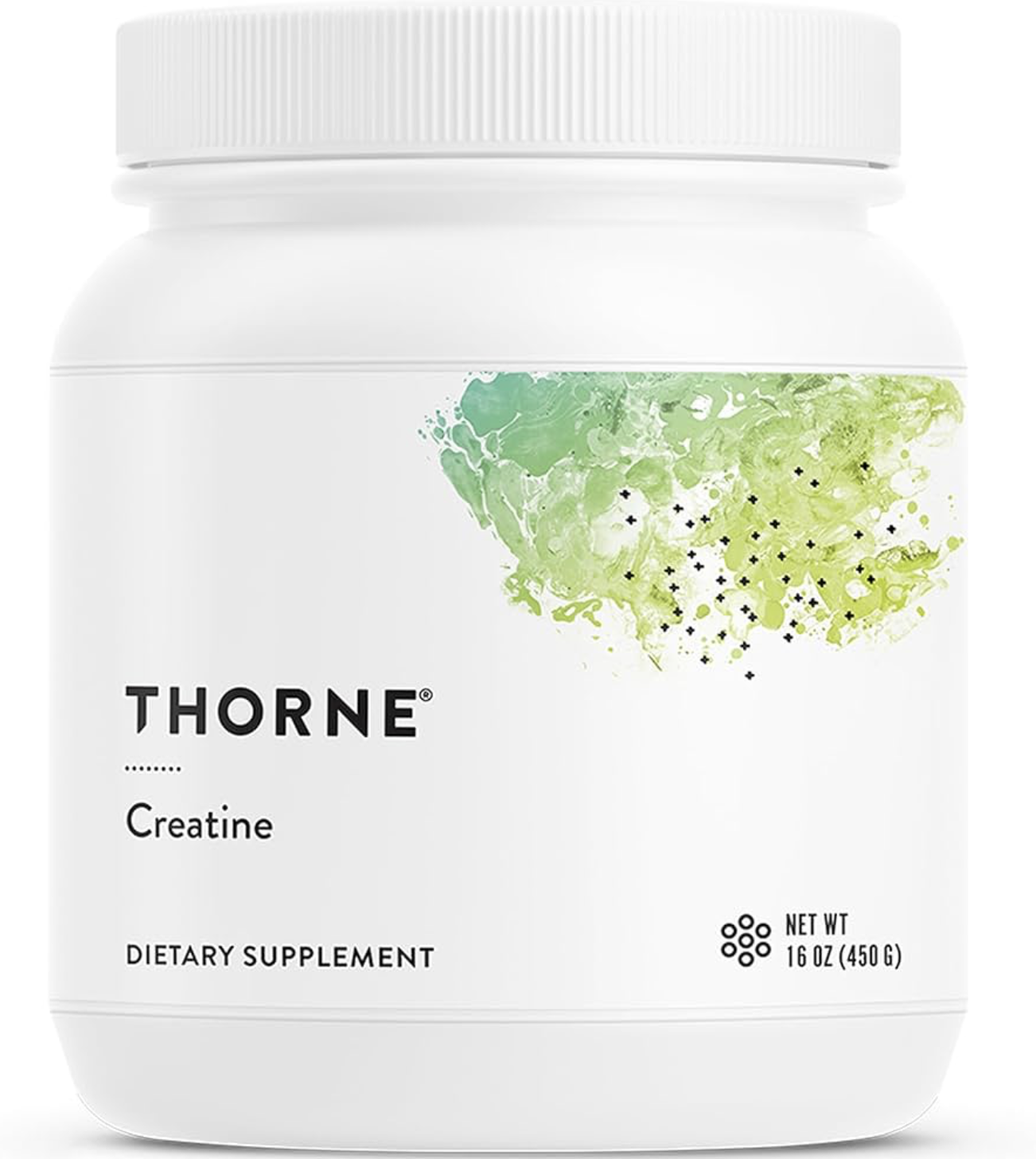
Creatine is one of the most researched supplements available.
It supports:
muscle strength and performance
brain health
energy production at the cellular level
It’s not just for athletes — emerging research suggests benefits for cognitive function and healthy aging.
When to take it:
👉 Anytime consistently (daily consistency matters more than timing).
Bonus: Targeted Probiotics
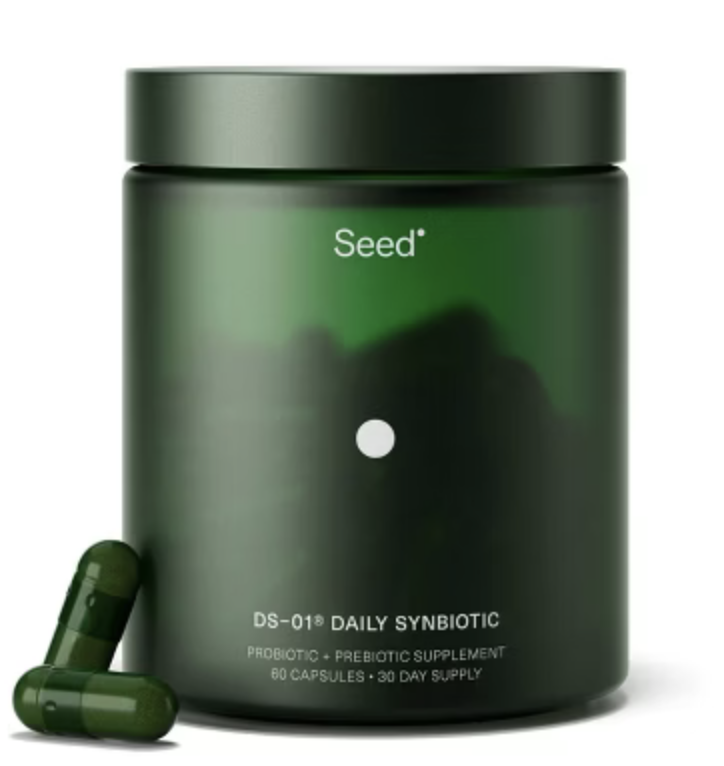
If I were to add one more supplement, it would be a targeted probiotic.
Gut health plays a central role in:
immune function
digestion
inflammation
even mood and brain health
Certain targeted strains — like those found in products from brands such as Seed or Pendulum — are designed to support specific aspects of the microbiome.
Not everyone needs a probiotic all the time, but they can be helpful in certain situations.
Why Supplement Quality Matters
Not all supplements are created equal.
Quality can vary significantly depending on:
sourcing
manufacturing standards
ingredient purity
third-party testing
There have also been concerns about counterfeit or low-quality supplements on large online marketplaces. You can read more about that here: Why I'm Picky About My Supplements (And You Should Be Too)
That’s why I recommend using trusted dispensaries like Fullscript, which provide:
practitioner-grade supplements
quality control standards
vetted brands
This helps ensure you’re getting what’s actually listed on the label.

Final Thoughts: Keep It Simple
You don’t need a complicated supplement routine to support your health.
Start with:
a whole foods diet
consistent daily habits
a few foundational supplements
From there, you can adjust based on your individual needs.
For our family, these five supplements form a simple, sustainable baseline that supports everyday health. If you're interested in learning more about these supplements, check out my Daily Essentials on Fullscript.
References
Calder PC. Omega-3 fatty acids and inflammatory processes. Nutrients.
Holick MF. Vitamin D deficiency. N Engl J Med.
Gröber U et al. Magnesium in prevention and therapy. Nutrients.
NIH Office of Dietary Supplements. Multivitamin/mineral supplements.
Kreider RB et al. International Society of Sports Nutrition position stand: creatine.
Cryan JF et al. The microbiota-gut-brain axis. Physiol Rev.
Bland JS. The Disease Delusion.
*A Note From Well North Living: This post is for educational purposes only and isn't a substitute for individualized medical advice — please consult your healthcare provider before starting any new supplement or health protocol. This post may also contain affiliate links, including to my Fullscript dispensary; if you purchase through these links, I may earn a small commission at no extra cost to you. I only share products and brands I personally use and trust. Thanks for being here, and cheers to your health!
