

DIY Green Juice at Home (Blender Method): Simple, Affordable, and Nutrient-Dense
If you’ve ever considered adding green juice to your routine, but felt overwhelmed by the cost or complexity — you’re not alone.
Store-bought juices can be expensive, and many recipes require specialty equipment. The good news?
👉 You can make a simple, nutrient-dense green juice at home using a blender — with just a few affordable ingredients.
This is my go-to version that I try to make at least once a week for a quick, refreshing nutrient boost.
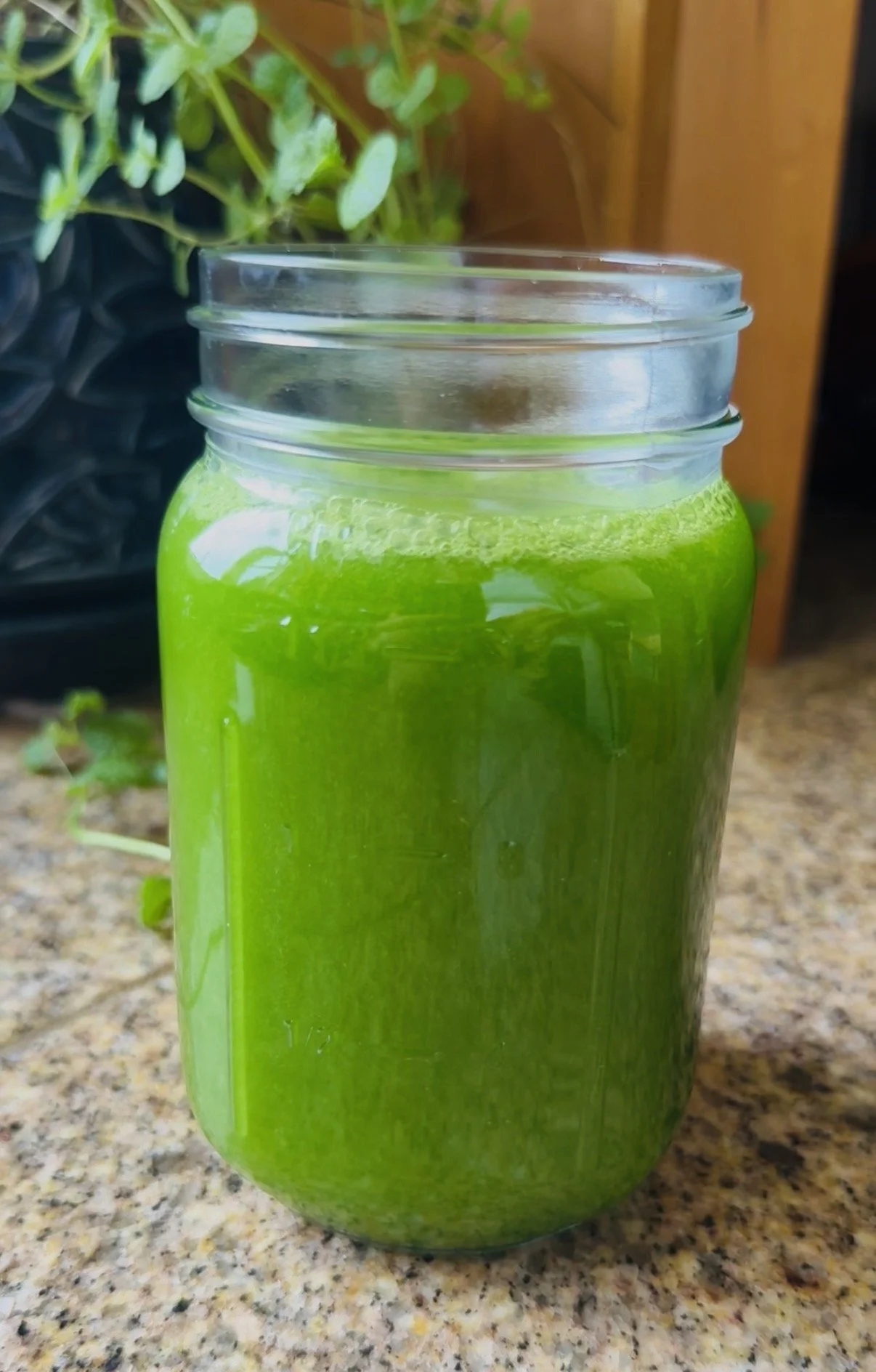
🌿 Why Make Green Juice at Home?
Making green juice at home is one of those small habits that can make healthy living feel more doable.
✔ Freshness matters
When you make juice at home, you’re getting nutrients immediately after preparation, when vitamin content is at its highest.
✔ More affordable
Store-bought green juices can cost $8–12 per bottle. This version costs just a few dollars per batch and is made with simple ingredients you can find in your local grocery store.
✔ Full control over ingredients
No added sugars, preservatives, or unnecessary fillers — just whole, simple foods.
✔ Flexible and practical
You can adjust based on what you have on hand — making this a realistic habit, not a complicated one.
🍋 My Simple Green Juice Recipe (Blender Method)
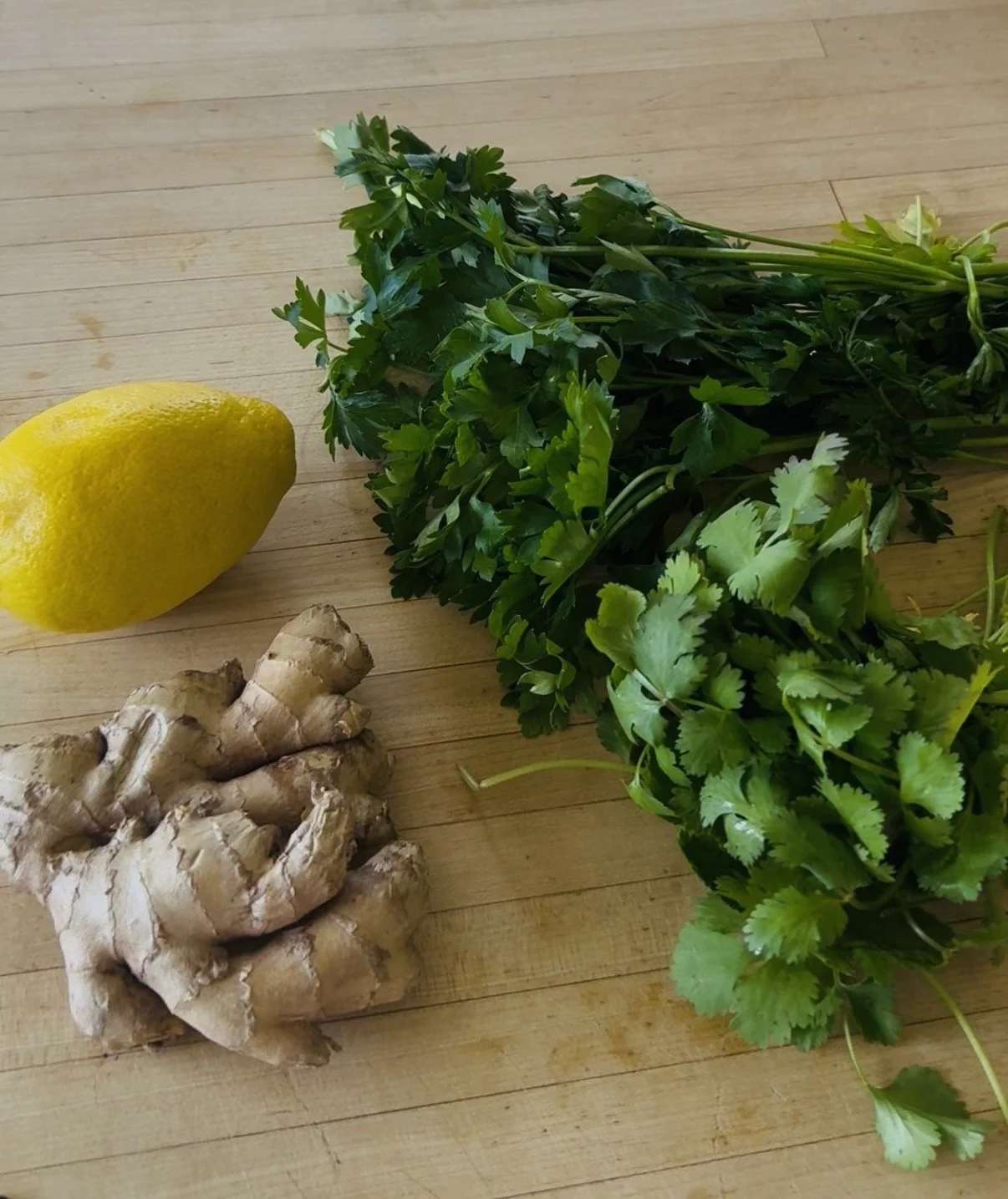
Ingredients:
1 cup cilantro leaves
1 cup parsley leaves
1 knob fresh ginger (peeled)
Juice of ½ lemon
2 cups water
Add all ingredients to a high-speed blender.
Blend until fully combined and smooth.
Drink immediately for maximum freshness.
Store any left over juice in the fridge and drink within 24 hours.
👉 Why These Ingredients Work Together
Each ingredient in this recipe brings something unique — and together they create a simple, nutrient-dense drink that supports overall health. This green juice provides:
hydration
antioxidants
phytonutrients
digestive support
—all of which help the body function optimally.
🌿 Cilantro
Cilantro is often considered a potential natural chelator.
Some animal studies suggest that compounds in cilantro may help bind to heavy metals and support their removal from the body (Aga et al., 2001). While more human research is needed, it’s one of the reasons this herb gets so much attention.
In addition to potential chelating effects, cilantro is a great source of:
vitamin K
vitamin A
antioxidants
👉 While no single food “detoxes” the body, regularly including nutrient-dense herbs like cilantro can help support overall health and the body’s natural processes.
🌿 Parsley
Parsley is often thought of as just a garnish, but it’s actually a very nutrient-dense herb that can add meaningful health benefits to your diet.
It’s rich in:
vitamin C
vitamin K
antioxidants and plant compounds
Parsley has also been traditionally used to support fluid balance. Some research suggests it may have mild diuretic effects, helping the body manage excess fluid and support normal kidney function (Kreydiyyeh & Usta, 2002).
👉 Adding more parsley to your food (or drinks) is a simple way to support hydration and nutrient intake.
🫚 Ginger
Ginger is one of the most well-studied roots when it comes to digestion and inflammation.
It has been shown to:
support healthy digestion
help reduce nausea
provide anti-inflammatory benefits
Research suggests ginger may help improve gastric emptying and support digestive comfort, which is one reason it’s commonly used for nausea and gut support (Mashhadi et al., 2013).
👉 Adding ginger to a green juice is a simple way to support digestion while also enhancing flavor.
🍋 Lemon
Lemon adds a fresh flavor to this recipe, but it also brings important nutrients — especially vitamin C.
Vitamin C plays a role in:
immune function
antioxidant protection
collagen production
Citrus fruits like lemon are also associated with improved antioxidant status and overall nutrient intake (NIH Office of Dietary Supplements).
👉 Lemon supports hydration and provides key nutrients that help the body function at its best.
Blender vs. Juicer: Why This Method Works
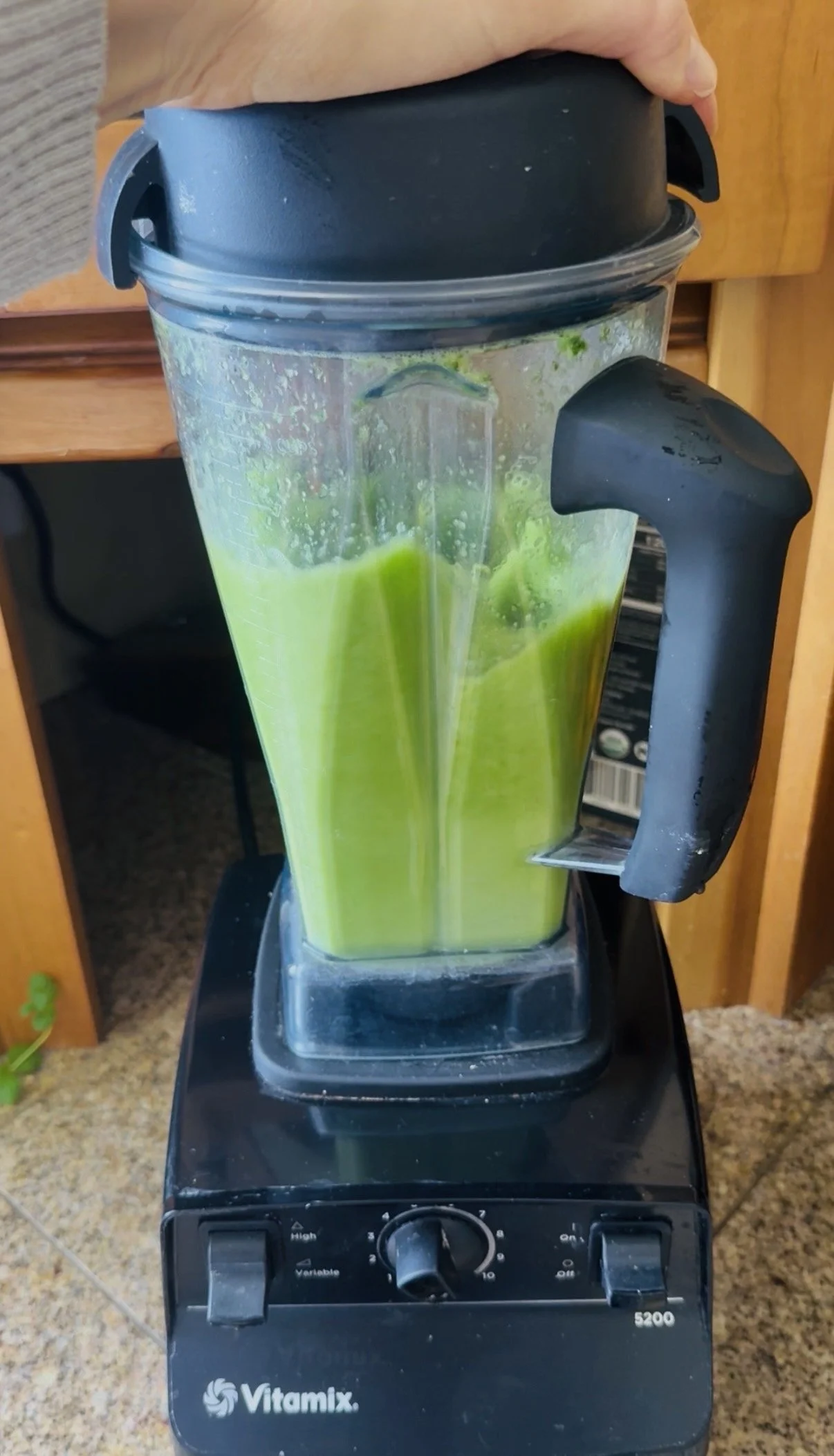
You don’t need a juicer to get the benefits.
Using a blender:
is more affordable
is easier to clean
retains fiber (if not strained)
makes this habit easier to maintain
👉 Simple habits are the ones that stick!
💡 Tips to Make This Work in Real Life
Start with once per week
Adjust flavor (add cucumber or apple if needed)
Drink fresh when possible
Pair with a balanced diet (not as a meal replacement)
🌿 Final Thoughts
If you’re looking for a simple way to:
add more greens
support digestion
increase nutrient intake
this is a great place to start.
It’s affordable, easy, and something you can actually keep up with — which is what matters most. Cheers!

📚 References
Kreydiyyeh SI, Usta J. Diuretic effect and mechanism of action of parsley. J Ethnopharmacol. 2002.
Mashhadi NS et al. Anti-oxidative and anti-inflammatory effects of ginger. Int J Prev Med. 2013.
USDA FoodData Central. Nutrient profiles for parsley, cilantro, lemon
NIH Office of Dietary Supplements. Vitamin C Fact Sheet
Peterson JJ et al. Flavonoids and antioxidant capacity of herbs. J Agric Food Chem.
